5

In the third parashah of Shema' (maftir from P' Shelach) we have a divergence of cantillation on the words ולא תתורו. In R' Wolf Heidenheim (see Koren for a contempary example) these words are cantillated with kadma veazla (ול֨א תת֜ורו) whereas in Breuer (Keter Yerushalayim) they are tied together and vocalised with an azla-geresh (ולא־תת֜ורו).

What is the mesorah of these two variants ?

Noach MiFrankfurt
  • 12,969
  • 4
  • 25
  • 71
  • 1
    "What is the mesorah of these two variants?" What does this mean? I don't know what you are asking. Please be more precise – Double AA May 04 '21 at 02:34
  • 2
    Duplicate? https://judaism.stackexchange.com/q/111989/15256 – Kazi bácsi May 04 '21 at 05:00
  • As a Sepharadi who witnesses chazanim read it with a Kadma veAzla daily even though the siddurim we commonly use do not have that, I'm very happy you posed this question. – MDjava May 05 '21 at 14:46

1 Answers1

6

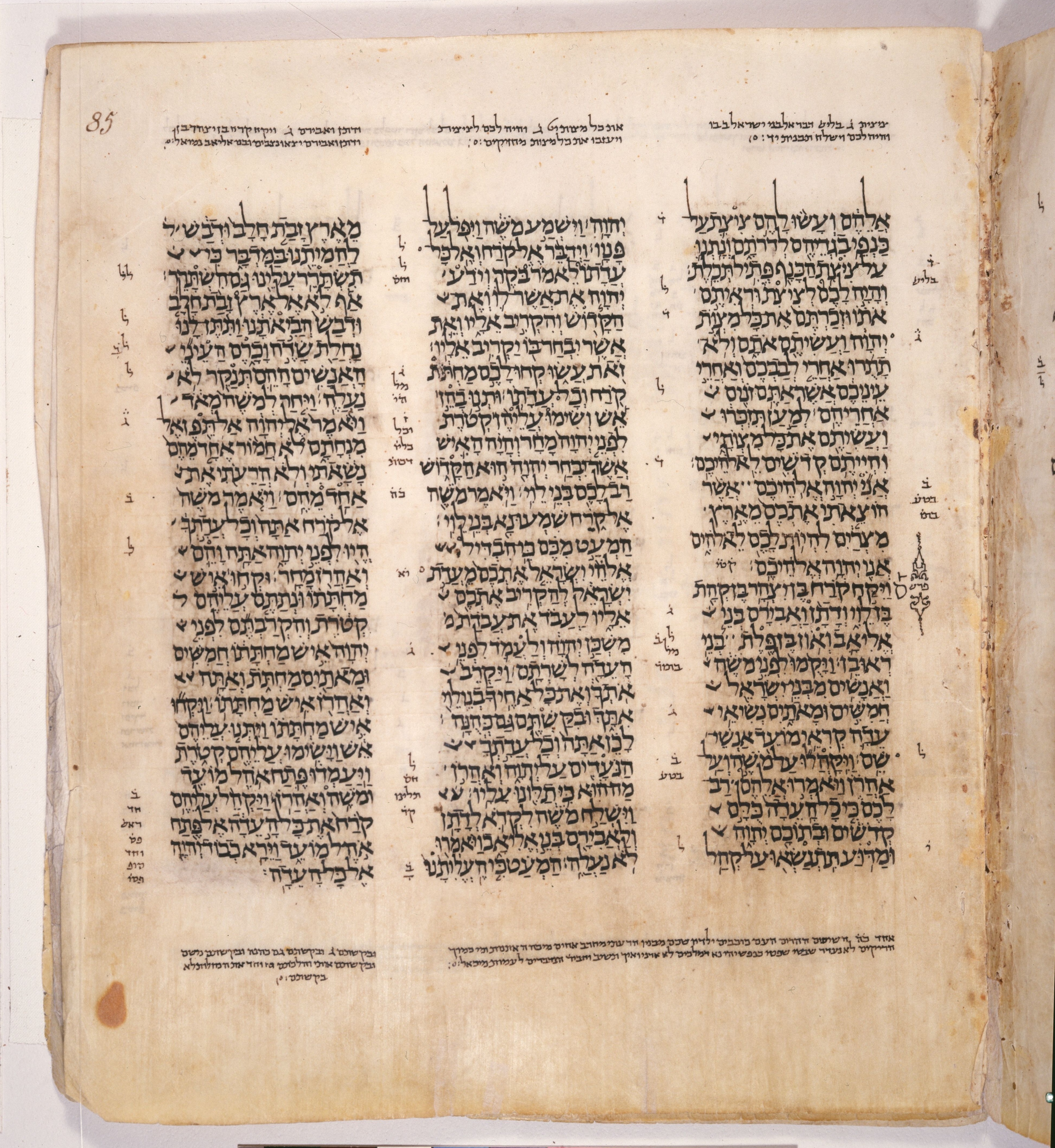
All the Tiberian manuscripts (and here, here, here, and here) and the majority of the other (Ashkenazi/Sephardi) old manuscripts* have a maqef, followed by the Venice Mikraot Gedolot and other historically important printed editions.

The testimony to no maqef consists of a handful of old Ashkenazi manuscripts*, followed by some printed editions in the last 150 years or so.

Suffice to say that the weight of evidence is on the side of the maqef.


* See a fuller list of manuscripts here, with the key here (PDF downloads).

magicker72
  • 9,904
  • 28
  • 68