Usually a contract is not used to establish proof of the legality of income. Instead, invoicing is used to create the necessary papertrail.
In the case of the sale of services or a product, it is necessary to provide an invoice to the client for the amount of time you spent on a project and how much they are due to pay. This invoice serves as proof of income for you and as proof of the expense for them. Here's an example:
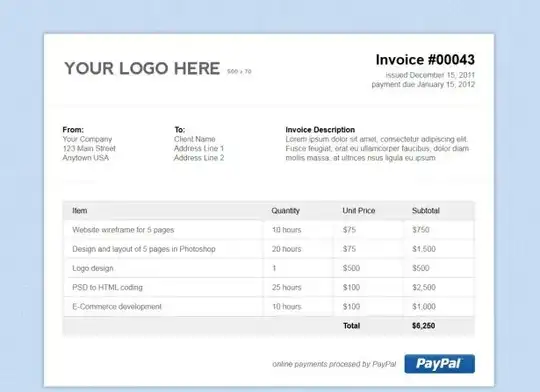 Source
The important things are that need to be on the invoice are as follows:
- Your business name and address details
- The name and address of the company you are invoicing (and the contact name if you have one)
- A unique invoice reference / number that will relate to this invoice only.
- A date for the invoice (which will generally be the date on which the invoice is created - or in accounting parlance, "raised")
- A list of the products and / or services that you have provided, line by line, and the cost of each of these.
- A total amount for the invoice.
- The payment terms for the invoice (i.e. how long the customer has to pay)
In addition to this information the following is useful to also
include on the invoice:
- Telephone / Fax contact numbers.
- Company email address.
- Customer Purchase Order Number - so they know which purchase order the invoice relates to if they are using an order management system.
- Details on how to pay, including bank account details for BACs / online payments.
If you are VAT regsitered you must also include:
The amount of VAT on each line of the invoice and the VAT Rate charged OR The total amount of VAT charged on the invoice, and the
rate, if VAT applies to all items on the invoice.
Your VAT Registration Number
Finally, if you are a registered Limited company, you must include:
- Your Company Number
- Your full registered company address.
The above list was taken from here.
The invoice is used as proof of income for your taxes and if you get audited, that's what you need to produce with your books.