26

enter image description here enter image description here

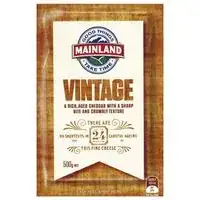
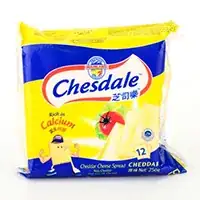
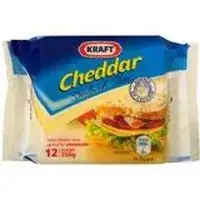
Normally I bought a cheddar slice, which I've been eaten since child. It has a smooth and milky taste. This time I wanted to try something premium so I bought the pricier, but same kind of cheese. (cheddar)

enter image description here

However, when I taste it the texture was very crumbly, the edge of cheese is riddled with white spots (is that germ/fungis?) and the taste is considerably "sour" and with bitter aftertaste. I can't believe this is the same "cheddar" cheese I have eaten!

The expiry date is next year.

So is this what they called vintage, crumbly texture and "with real/sharp bite"? What is "bite" anyway? When I searched for it all returned was cheese bites (the snack). Do vintage cheddar cheese normally taste like this? What kind of cheese I have to buy if I want a flavour more closer to sliced cheddar?

5argon
  • 599
  • 1
  • 6
  • 14

3 Answers3

61

You have been lied to. I wouldn't call those things at the top of the page cheese, let alone cheddar. I'm not trying to be dismissive of your situation or culture, merely dismaying that British heritage has been misappropriated so poorly.

You are not the first person I've met who's had a strong first reaction to real cheese.

Kraft slices might technically be cheese but they're a hyper-processed abstraction of what traditional cheddar cheese really is. Like a cheap burger to a well matured steak, or a Lada Riva to a Porsche 911, the two cheeses are made from similar stuff, but they clearly aren't the same.

Real cheddar has been allowed to mature. It's sharp and strong and sour and a little crumbly. It is available in a wide selection of strengths, traditionally defined by the length of time it sits maturing (up to 24, even 36 months). It sounds like you've gone straight to most mature end of the scale!

Hard cheeses sweat and dry out and crystallise and that could explain the spots you're seeing:

  • Paler spots are more likely to be salt or protein crystals, but
  • Coloured spots, and fur could easily be mould and fungus.

If in doubt, just cut it off. A hard cheese is quite a resilient substance so unlike soft cheeses and yoghurts, you don't have to chuck them at the first sign of contamination. The sweating also means you need to look after your cheese properly. A paper layer before an air barrier is usually a good idea to wick away any surface seepage.

But cheese is amazing. I'd really, strongly suggest you stick with it though. Cheeses have amazing variety and have something for everybody (except the lactose intolerant, I guess). Visit a cheese shop, hand them a bunch of money and ask them to show you what you've been missing out on. You think I'm enthusiastic about cheese? You haven't seen anything yet!

Oh and if you've got a big block of mature cheese you can't bear to eat raw, try grating it and having it grilled (toasted sandwich, on pizza, etc). It loses a lot of its harshness but it's still delicious.


Terms like "bite" and "tang" are probably a regional variant on the strength scale I've been using: mild, medium, mature, extra mature and vintage. In short, it gives people a better idea of what they're buying.
Oli
  • 927
  • 7
  • 12
27

If you bought a good cheddar, the white spots are most likely tyrosine crystals. They build up in the cheese during the aging process, and they are a very desirable feature which gives the cheese much more taste and character.

Well aged cheese has some acid and bitter notes, but mostly umami. It also has lots of cheesy aroma, which smells distinctly like proteins and fermentation, I don't know how to describe it else. It is distantly related to budding yeast.

The slices at the top are not cheddar, they are processed cheese. It probably started out with cheese made with a cheddaring process (but not taken to maturity), but frankly, all commercially processed cheeses taste the same, it doesn't matter what you started with.

There is unaged cheddar on the market. It is real cheddar, and has a very different texture from the processed cheese, but it is much milder in taste, having not yet developed its aroma. You can buy this one. As a pleasant side effect, it is much cheaper than the aged cheddar.

rumtscho
  • 141,844
  • 47
  • 316
  • 579
0

Cheddar in England is the original home of cheddar cheese and the maturer the better. Some of the ‘plastic’ stuff that’s marketed as Cheddar in no way resembles the real thing. The more mature it is, the crumblier and sharper it is and it should have the whitish deposits running through it. It isn’t mould. It’s the only hard cheese I buy because most English cheeses are not on sale in New Zealand.