This is totally boring:
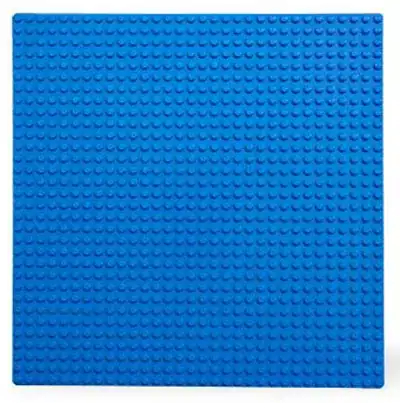
How can I add some variance to it that helps to distinguish a rippling lake from a raging ocean from a fast-moving river, while keeping a look that's appropriate for micro-scale landscapes?
This is totally boring:
How can I add some variance to it that helps to distinguish a rippling lake from a raging ocean from a fast-moving river, while keeping a look that's appropriate for micro-scale landscapes?
The 1x1x2/3 slopes would be ideal for making waves, etc.:
 and
and  or the 1x2 options.
Along with some blue tiles you could make some great waves:
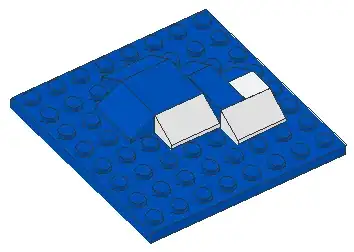
Obviously, if you don't want them breaking, keep the white fronts blue.
Also, if you have some Navy blue tiles you can create currents of colder water - if you've ever watched large bodies of water you'll notice they have strips of different shades running through them.
Stick to tiles on the plate rather than the 2/3s height for lakes, or for some good ripples use the Round Dish 2x2 Inverted:


Try using combos of Trans-clear and Trans-blue studs to make a nice, clear foaming water affect. Studs can be bought in extreme masses on Bricklink for like, 1¢. So there's no trouble.


Use a blue stud and put a flat round Lego brick on top of it to make the beautiful ripples.
