27

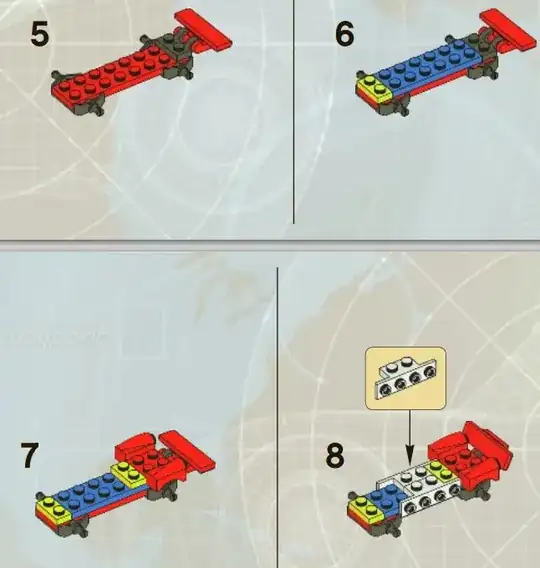
With recent and current sets, I noticed that some contain parts of a totally different colour than the rest of the set. An example is 8200-1: Radiator Springs Lightning McQueen, which contains a blue 2×6 plate, 3 yellow 1×2 plates, 2 white 1×2/1×4 angle plates, and 2 grey 1×4 plates, while Lightning McQueen is red.

Parts like these aren't usually visible in the finished model.

Why are they used?

These are parts that should be available in most colours, including red. Did they have an overstock in these colours? Is it to make for easier building? Since this way both the model and the instructions aren't a big blob of red?

mindstormsboi
  • 2,122
  • 12
  • 35
SQB
  • 1,156
  • 11
  • 30

2 Answers2

23

I believe the main reason is so that the pieces are easy to identify in the instructions - as many LEGO sets don't have the Technic style "List of elements used in this step" it's always a fun game of "Spot the difference" to see what's changed:

Multi-coloured interior

If those pieces were all red, then the target audience (5+ on those sets for example) might find it very frustrating to build.

(Even with the list of elements to use in a step it can often be quite an effort to find where a particular part goes.)

Zhaph - Ben Duguid
  • 19,551
  • 6
  • 78
  • 151
4

One reason is ease of identification, even in sets not intended for the youngest age range.

For example in the Millennium Falcon 7000-piece "mega set" all the 1x16 Technic beams are dark grey, the 1x14 are black, and the 1x12 are light grey. There are about 70 of these beams in total. Almost all of them are invisible in the final model since their main purpose is to give the model its structural strength, but it's an easy way to sort them. There is a similar color coding for the longest "1 x whatever" bricks, as well.

In the same model, the half-built structural frame is almost symmetrical end-to-end, the sides are mirror images, and it is almost identical when turned upside down, but a small number of coloured parts make it easy to orient it correctly and avoid discovering a mistake after many building steps.

Some color coding seems almost universal across sets - for example black and blue Technic connector pins. Again, an easy way to avoid mix-ups when building.

alephzero
  • 265
  • 2
  • 4
  • Indeed - the pins were a long-running colour convention - it used to be black and grey (friction and non-friction), but even those are available in a number of different colour combinations these days! – Zhaph - Ben Duguid Apr 20 '20 at 17:16